
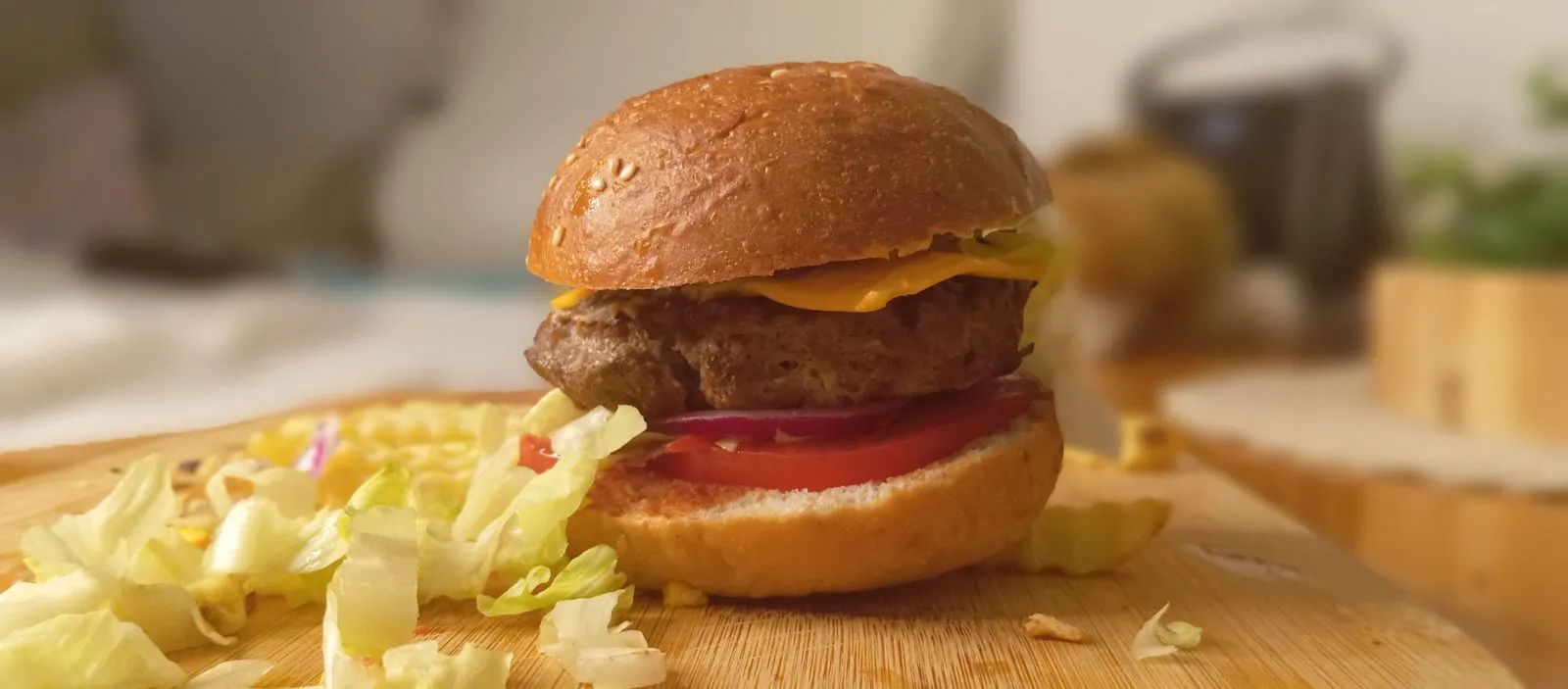
Turkey burgers have a mild flavor that welcomes plenty of possibilities. The trick is choosing toppings and sauces that add moisture, contrast, and a little punch without burying the patty. Start with a well-seasoned burger, then build around one or two main flavors: creamy with tangy, crisp with savory, or sweet with a touch of heat. These practical pairing ideas help you make a turkey burger that tastes complete and stays easy to eat.
Start With a Juicy Patty
Turkey is lean, so take care not to overcook it. Cook patties until the center reaches 165°F, checking with a food thermometer. A little oil in the pan or on the grill helps prevent sticking, while a light hand when shaping keeps the patties tender. Season both sides with salt and pepper; garlic powder, smoked paprika, or dried herbs can add flavor without competing with your toppings.
Make patties slightly wider than your buns because they shrink as they cook. If you’re adding cheese, place it on during the last minute so it melts without overcooking the meat. Let the burger rest briefly before assembling. That gives the juices a moment to settle and makes it easier to keep the bun from getting soggy.
Match Sauce With Toppings
For a bright, classic combination, spread mayonnaise or a tangy yogurt sauce on the bun and add lettuce, tomato, and thinly sliced red onion. A squeeze of lemon or a little Dijon mustard can sharpen the creamy sauce. Pat wet tomato slices dry before stacking, and keep the sauce on the bun rather than directly under a loose pile of vegetables.
For a smoky, savory burger, try barbecue sauce with cheddar, grilled onions, and pickles. Prefer a little heat? Pair pepper jack with sliced jalapeños and a cooling sauce made from mayonnaise and plain yogurt. Use a modest amount of sauce at first; you can always add more, but too much can overpower turkey’s lighter taste and make the burger messy.
Add Contrast and Crunch
A good topping brings something the patty doesn’t already have. Crisp lettuce, cabbage slaw, or thin cucumber adds freshness. Pickles and pickled onions bring acidity that balances rich cheese or creamy sauce. For sweetness, try caramelized onions or a thin layer of cranberry sauce, then add sharp cheddar or peppery arugula to keep the flavor from becoming too sweet.
Choose a few toppings that work together instead of stacking on everything in the fridge. A useful formula is one creamy element, one crisp or tangy element, and one strong flavor such as cheese, herbs, or a spicy condiment. Slice toppings thinly and arrange them evenly so each bite includes a little of the patty, sauce, and crunch.
Choose a Bun That Holds Up
A soft bun makes a turkey burger easy to bite, but it should still hold its shape. Toast the cut sides briefly to add structure and a little crunch. Potato rolls, brioche buns, and sturdy whole-wheat buns can all work; choose one that fits the patty without leaving large gaps around the edges.
Assemble just before serving. Put a thin layer of sauce on both cut sides, set the patty on the bottom bun, and add sturdy toppings before lighter greens. If your combination includes juicy tomato, keep it away from the bun or use a leaf of lettuce as a barrier. Serve extra sauce on the side for dipping.
A better turkey burger comes down to balance: a juicy, well-seasoned patty, a sauce that adds moisture, and toppings that bring contrast without taking over. Try one pairing at a time, then adjust the crunch, tang, or heat to suit your taste. For a ready-to-enjoy take on the idea, stop by North Shore Smash in Duluth.